Introduction
In today’s world, the importance of compassion and understanding is more vital than ever. The role of a Direct Support Professional (DSP) embodies these values to their core. But what makes this profession truly unique? Why should someone consider becoming a DSP? This article delves into the multifaceted realm of direct support work, revealing that it's not just about "helping" others; it’s about forging meaningful connections, advocacy, personal growth, and much more! If you’ve ever pondered why becoming a Direct Support Professional is more than just lending a hand, buckle up as we embark on this enlightening journey.
Why Becoming a Direct Support Professional Is More Than Just 'Helping' Others
When people think about being a Direct Support Professional, they often conjure images of helping individuals with disabilities or those facing various life challenges. While that’s an essential aspect of the job, it’s only the tip of the iceberg. The real essence of this profession lies in the intricate tapestry woven from relationships, empowerment, and fostering independence.
Understanding the Role of a Direct Support Professional
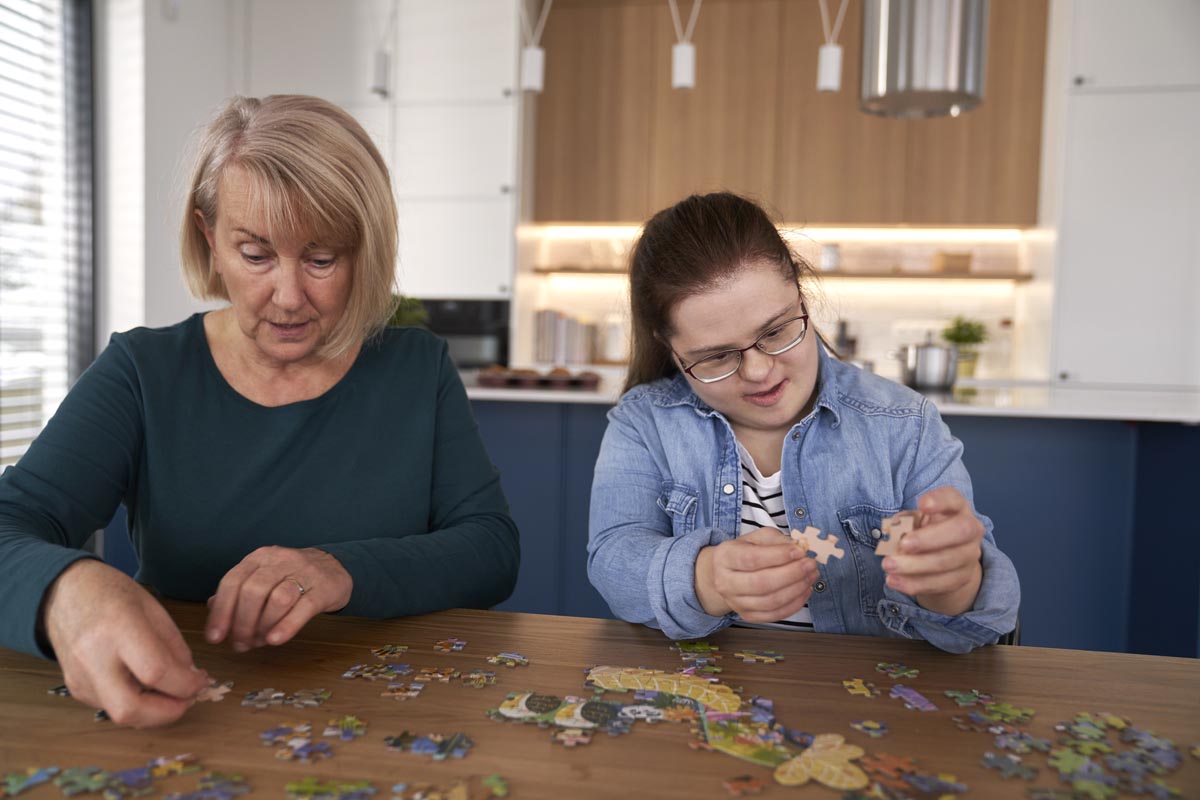
A Direct Support Professional acts as a bridge between vulnerable individuals and the world around them. These professionals provide assistance in daily living activities—everything from cooking meals to handling finances—and help clients navigate social interactions.
The Spectrum of Responsibilities
- Daily Living Skills: Teaching and assisting clients with everyday tasks. Emotional Support: Offering companionship and emotional encouragement. Advocacy: Acting on behalf of clients to ensure they receive necessary resources. Community Integration: Helping clients engage in community activities and build social networks.
Empowerment Through Advocacy
One major facet of being a DSP is advocacy. This role isn’t merely about providing care; it involves standing up for your clients' rights and ensuring they have access to services that can improve their quality of life.
Example: The Power of Advocacy
Consider a situation where a client lacks access to essential medical services due to bureaucratic red tape. A DSP can advocate for that client by navigating complex systems, ensuring they receive necessary care.
Building Meaningful Relationships
A significant part of why becoming a Direct Support Professional is more than just helping others lies in relationship-building. Every interaction shapes trust and opens doors for deeper connections, which in turn enhances client outcomes.
The Importance of Trust
Trust forms the foundation of any supportive relationship:
Reliability: Clients need to feel they can depend on their DSP. Empathy: Understanding clients’ feelings fosters stronger bonds. Consistency: Regular interactions lead to stability in their lives.Skills Required to Become an Effective Direct Support Professional
Being successful as a DSP requires more than just compassion; it demands specific skills tailored for effective support.
Interpersonal Communication Skills
Effective communication is paramount:
- Listen attentively Speak clearly Use non-verbal cues wisely
Example: Navigating Difficult Conversations
A DSP may encounter situations where tough conversations are necessary—like discussing difficult emotions or challenging behaviors. The ability to communicate effectively can make all the difference.
Problem-Solving Abilities
https://www.provenexpert.com/en-us/essential-services2/Life is unpredictable. A competent DSP must think on their feet:
- Assess situations quickly Develop creative solutions Remain calm under pressure
Personal Growth Opportunities as a Direct Support Professional
When you choose this path, you’re not just helping others; you’re also embarking on an incredible journey of personal growth.
Gaining New Perspectives
Working closely with diverse populations broadens your understanding:
Exposure to different life experiences Learning about various cultures Recognizing individual strengthsExample: Transformative Encounters
Imagine working with someone whose resilience inspires you every day—a client overcoming significant challenges teaches invaluable lessons about perseverance.
Career Advancement Possibilities
The field offers numerous pathways for advancement:
- Specialization in behavioral support Management roles overseeing teams Education and training opportunities
Challenges Faced by Direct Support Professionals
While being a DSP has its rewards, it doesn’t come without challenges.
Emotional Strain and Burnout
Supporting individuals through hardships can take an emotional toll:
Compassion fatigue Secondary trauma exposure Work-life balance strugglesExample: Coping Mechanisms for Burnout
Practicing mindfulness techniques or seeking peer support can alleviate some stressors associated with this line of work.
Navigating Bureaucratic Systems
DSPs often find themselves tangled in red tape when trying to secure services for clients:
Understanding policies Partnering with agencies Managing documentation requirementsThe Future Landscape for Direct Support Professionals
With growing awareness about disability rights and mental health issues, the future looks promising!
Increased Demand for Services
According to recent reports, there’s been an uptick in demand for qualified professionals across various sectors:
Community-based organizations Private care facilities Government programsTechnological Advancements
Innovations like telehealth are changing how support professionals deliver care:
Virtual meetings enhance accessibility Remote monitoring tools aid daily living activities Apps streamline communication between DSPs and familiesFAQ Section
li32/ol7/li33li33/ol8li34# Is prior experience required?- While having experience in caregiving or related fields is beneficial, many agencies offer training programs that allow entry-level candidates to learn on the job.
- Yes! Many professionals choose areas such as behavioral support or educational assistance based on their interests and career goals.
- Many find immense fulfillment in witnessing their clients achieve milestones and grow towards independence—a testament to the impact they have made!
Conclusion
In conclusion, choosing to become a Direct Support Professional opens up not just avenues for career advancement but also paths filled with personal growth and profound human connection! As we’ve explored throughout this article—why becoming a Direct Support Professional is more than just ‘helping’ others—it’s about advocacy, empowerment, relationship-building, facing challenges head-on while striving toward both professional excellence and personal development! So if you're considering stepping into this rewarding field filled with adventure at every turn—go ahead! Embrace it wholeheartedly!
As we wrap up our extensive exploration into why Direct Support Professional in Forest Grove becoming a Direct Support Professional is more than merely lending assistance—it's clear that each day brings new opportunities for joy both personally and professionally! Ready to dive into this enriching journey? Your adventure awaits!